In shortEnd each episode on a specific question, and answer that exact question in the first two beats of the next one. Then ask a new question. A cliffhanger that is not answered within ten seconds of the next episode is a broken promise, and viewers stop trusting the format after two of them.

The pair, not the hook
A cliffhanger is half of a two-part device. The other half is the payoff, and it lives in the next episode. Writers who plan cliffhangers one episode at a time write great endings and disappointing openings, because the next episode has to start by paying a debt the writer forgot they owed.
Plan them as pairs. In the outline, each episode gets a line Cliff: and the next episode gets a line Pays off: that names the same event. If the two lines do not describe the same thing, one of them is wrong.
What the last five seconds must contain
The final shot of an episode should make the viewer able to state the question in one sentence. Good cliffhangers are specific and imminent.
- Specific: not "something is wrong" but "the signature on the back of the page is hers".
- Imminent: the answer is seconds away in story time. A door opening, a test result on a screen, a name about to be spoken. The viewer feels they are stopping mid-motion.
The strongest cliffhanger positions in the format, roughly in order of how much they cost the writer, are:
- A recognition: someone realises who or what they are looking at.
- An exposure: a secret becomes visible to the wrong person.
- A reversal of power: the person who was begging is now the one with the pen.
- A confession or refusal spoken in public.
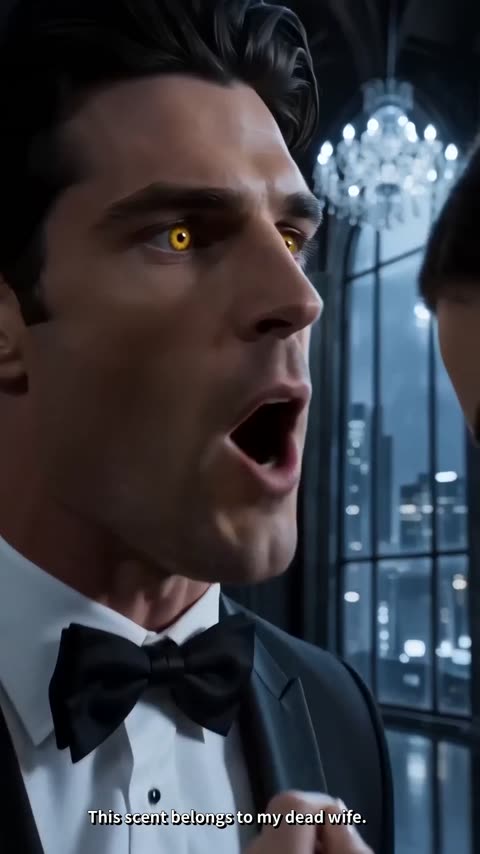
- An awakening: a physical change (the wolf, the blood, the mark) in the final frame.
What the first ten seconds of the next episode must do
Answer the question. Literally. If episode 12 ends on "whose initials are on the burned key?", the first beat of episode 13 shows the initials. Not a recap, not a different scene, not a dream. The viewer paid for this episode, in coins or in attention, to get that answer.
Then, within the same opening, turn the answer into a new problem. The initials are his brother's. Now the brother is in the room. The new question is what the brother knew, and that is episode 13's cliffhanger.
This two-beat opening (answer, then complicate) is what makes a season feel like one continuous piece of story rather than fifty clips. It is also why the first thirty seconds of episodes after the first are structured differently from the pilot: they open on the payoff, not on a fresh humiliation.
The recap trap
Because platforms allow viewers to start anywhere, there is pressure to open each episode with a recap. Resist it. A recap delays the payoff and tells returning viewers, who are most of your audience, that nothing is about to happen. If context is needed for a new viewer, put it in the answer itself: "The initials on the key are S.B. Sebastian Blackwood. Adrian's brother." Three lines, and the new viewer has everything.
Variety across a season
Fifty cliffhangers of the same type become a rhythm the viewer can predict, and a predictable cliffhanger is not a cliffhanger. Rotate the five types above and vary who the question belongs to. Some episodes should end on the antagonist's discovery, not the lead's; some on a secondary character's choice.
Every eight or ten episodes, end one on a quiet beat: two people who should not be alone together, alone together, saying nothing. The tension is the same; the register changes.
Nesting: the small question inside the big one
A season carries one or two large open questions (what really happened five years ago; who ordered the crash) that are not answered for many episodes. Those are not cliffhangers. They are the spine. Each episode's cliffhanger should be a small question that is answered next episode and that moves the large question forward by one step. Viewers tolerate a large question staying open for twenty episodes precisely because a small one is answered every time.
What is not a cliffhanger
- An unexplained image with no question attached (a figure in a doorway, a black car). See the hook guide's list; the same failures apply at the end of an episode.
- A question the viewer cannot state. If you have to explain what the cliffhanger is, it is not one.
- A cliffhanger the next episode ignores. The single fastest way to lose a season's audience.
- The same cliffhanger twice. If two episodes both end on "she knows", the second is a repeat, not a turn.
Checklist per episode
- The last line of the outline is a question in one sentence.
- The next episode's first line answers it, in picture.
- The answer creates a new problem within ten seconds.
- The type (recognition, exposure, power, confession, awakening) differs from the previous two episodes.
- The large open question is one step closer.
Every episode is scripted with its cliffhanger bound to the next episode's payoff
On Dawnwood the writing is free: type a premise, get a season bible and every episode script, revise them as much as you like. Credits are only spent when you generate art or render video, and every charge is shown before you confirm.
Start a series freeHow a series gets made →