In shortTikTok drama shorts are scripted vertical series told in episodes of about a minute, each ending on a cliffhanger. A creator can reach TikTok two ways. Route A is posting episodes and clips from your own account, which anyone can do today. Route B is delivering a finished series to TikTok Drama Center as a company, which TikTok then posts as a series and may route to its PineDrama app. The two routes do not mix well: once a series is on Drama Center, clips posted from ordinary accounts stopped reaching the feed for us. Below: how each route works, how to cut episodes for TikTok, how often to post and how AI drama is labelled.
What we can and cannot tell you
We are a studio that makes AI-produced vertical drama. We post episodes and clips from our own TikTok accounts, and three of our series are live on TikTok Drama Center. Items marked our observation are what happened to our own accounts and series in 2026: one producer's experience, not a platform rule. Drama Center rules come from TikTok's help center as summarized in our Drama Center guide. TikTok changes its products often; its own current terms are the authority, and nothing here is legal or platform policy advice.
What "drama shorts" on TikTok means
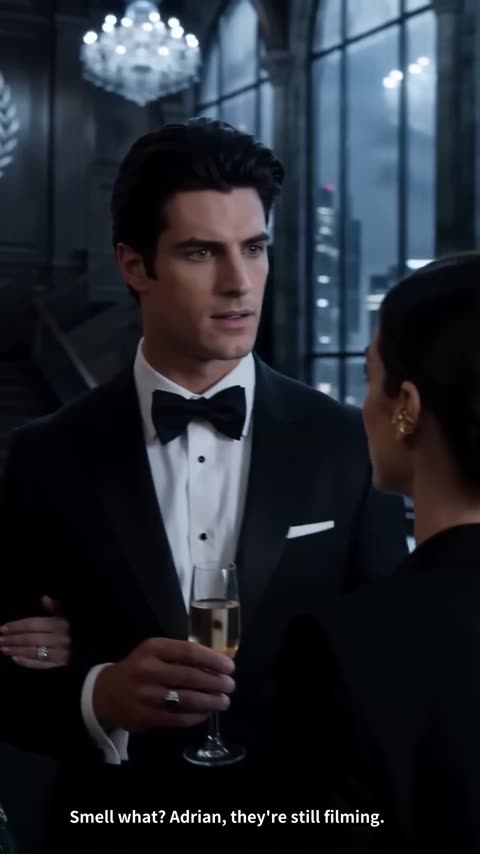
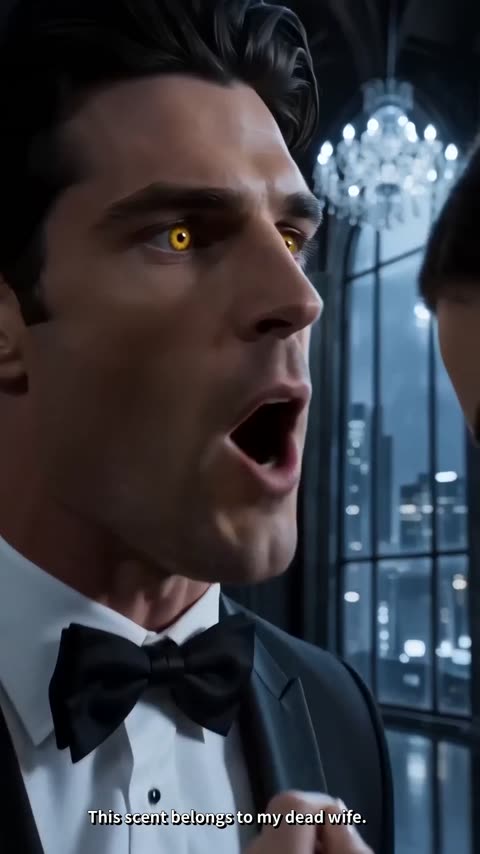
A drama short is a scripted series made for a phone: 9:16 vertical, episodes of roughly one to two minutes, and a cliffhanger at the end of every episode. "Short drama", "mini drama" and "vertical drama" describe the same format. Unlike a skit, it is serialized: a viewer who likes episode 1 goes looking for episode 2, and the craft is built around that search.
On TikTok you will meet these series in three places:
- Creator accounts. Studios and individuals post episodes and highlight clips from ordinary TikTok accounts, often with "Part 1", "Part 2" in the caption.
- Drama Center series. Companies deliver finished series to TikTok through Drama Center (drama.tiktok.com). TikTok posts them as a series with its own drama page, from accounts linked to the producer, and subtitles them into many languages.
- PineDrama. TikTok launched PineDrama, a standalone short drama app, in the United States and Brazil in January 2026, as reported by TechCrunch. In November 2026 we saw drama cards inside TikTok point to series there.
For a creator the practical question is which of the first two routes to take. PineDrama is where TikTok sends viewers, not something you upload to separately, as far as we have seen.
Route A and Route B at a glance
| Route A: your own account | Route B: Drama Center | |
|---|---|---|
| Who can do it | Anyone with a TikTok account | A verified company with a signed contract |
| What you post | Episodes, highlight clips, trailers | A finished series, delivered as a whole |
| Episode count | Any; you can release as you make them | 30 to 300 episodes, fixed when you submit |
| Review | TikTok's normal content rules | Copyright, video, localization and content review |
| Languages | Whatever you upload | Machine subtitles into 17 languages |
| Money | Whatever your account earns elsewhere, or traffic to your own site | Share of in-app ad and purchase revenue, plus incentives |
| Clips from ordinary accounts | Work as normal | Kept out of the feed, in our observation |
| Speed to first post | Today | Weeks: verification, contract, review, region by region |
The Route B rows come from TikTok's help center; our Drama Center guide covers onboarding, specs, review, regions and payment in detail. This page covers what changes for you as the person writing and posting.
Route A: post episodes and clips from your own account
This is the route most people mean by "TikTok drama shorts", and it is the one you can start today.
Post the episodes in order, and make each one stand alone for ten seconds. A viewer can land on episode 7 first. The opening of every episode should answer the previous cliffhanger in picture, then complicate it, so a new viewer understands enough to keep watching and a returning viewer gets paid straight away. Our guide on cliffhangers and payoffs explains the two-beat opening.
Post clips alongside episodes. A 20 to 50 second highlight of a confrontation or a reveal is not an episode; it is an advert for the series, and easier for someone new to understand.
Keep the original upload clean. Our own platform rule is that a TikTok original upload carries no end card. We do not burn a "watch the full series at..." card with a web address onto TikTok videos. On Drama Center, a URL on an end card was flagged as a watermark in review even when it was on screen for a fraction of a second (our observation), and the help center treats sending viewers to other platforms as improper redirection. Put where to watch next in the caption or your profile, not in the picture.
Route B: deliver a full series through Drama Center
Drama Center is TikTok's business portal for short drama supply. You deliver a finished season to TikTok as a business partner, and TikTok handles distribution, subtitles and monetization. It suits you if you have a company, a complete season of at least 30 episodes, and patience for review and a region-by-region release.
What changes for the writer:
- The season must be finished before you submit. The episode count is fixed at submission, so you cannot release as you go the way you can on your own account.
- Story choices are reviewed against published rules. The help center's best-practice page names stories it does not want, and some lines apply specifically to AI-generated characters. Read it before you write, not after review.
- Your clips move to Drama Center's own accounts. Highlight accounts and the Materials upload are the official places for promotional clips.
If you are an individual without a company, there is a third option: license the series to a company that is already a partner. Dawnwood Distribution is one of those; it lists TikTok Drama Center among its own channels, and you can submit a finished series for review. Drama Center incentives there need 40 or more episodes, though a shorter series can still be listed.
The trap: one series, two routes
Our observation. Once one of our series went onto Drama Center, clips of it posted from our ordinary TikTok creator accounts were kept out of the recommendation pool, and TikTok attached a drama card that sent viewers to the series on PineDrama. The same kind of clip from a series that was not on Drama Center kept getting its usual reach on the same accounts.
So pick a route per series:
- On Drama Center: post promotional clips from the series' Drama Center highlight accounts (or upload them as Materials), not from your personal or studio account. Dawnwood's publishing queue blocks TikTok clips of a Drama Center series unless they go to one of that series' Drama Center accounts, for this reason.
- Not on Drama Center: post episodes and clips from your own accounts as normal.
If you plan to take a series to Drama Center later, keep that in mind before you build a following for it on a personal account.
Episode length, hooks and cliffhangers for TikTok
Length. The comfortable band for a scripted episode is 55 to 90 seconds. Below about 45 seconds the hook and the cliffhanger crowd out the scene between them; above two minutes an episode starts to feel like a clip of something longer, and on social feeds viewers drop off before the cliffhanger lands. Drama Center accepts episodes from 15 seconds to 20 minutes and its best-practice page recommends at least one minute. Our guide on how many episodes and how long covers season sizes.
The first five seconds. Much of the audience watches the first shot with the sound off, so it has to carry the promise as an image: a ring turned inward, a contract with a fresh signature, a coffin lid scratched on the inside. Do not open on an establishing shot or a voice-over explaining the backstory. In the first thirty seconds of episode 1, land three escalating blows on the lead so the viewer is certain payback is coming and curious only about how. The full method is in the first thirty seconds.
The last five seconds. End on a question the viewer can state in one sentence, specific and imminent: a recognition, an exposure, a reversal of power, a public confession, a physical change. Rotate the types so the rhythm does not become predictable, and answer the question in the first beats of the next episode. Never open with a recap.
The first frame. On Drama Center the platform used each episode's first frame as its cover in our uploads, and when we post to TikTok from our own accounts the cover is a frame taken from the video. Either way, make the first second a clean, readable image.
How often to post
There is no published TikTok number for drama, so treat these as starting points:
- Per account, keep it modest. Dawnwood's default publishing rule allows TikTok 2 posts per account in a rolling 24 hours, because posting much more often than that tends to collapse an account's reach. If you want more volume, spread it across several accounts rather than piling it onto one.
- Do not post the same video twice. Our defaults never post the same video twice on one account and block the same footage on a second account on the same platform for 60 days.
- Release in order and keep the gap short. A cliffhanger only works if the next episode is there when the viewer goes looking. Finish a batch of episodes before you start posting, so the run is not interrupted while you make the next one.
- Lead with clips if episodes stall. On YouTube Shorts, we found full episodes got almost no feed distribution while short hook clips from the same series did (our observation, YouTube only). We have not run the same test on TikTok, but if your episodes are not being shown, a clip that sells the series is the first thing to try.
How AI-made drama is labelled
TikTok requires AI-generated content to be labelled, and in our experience labelled AI series are distributed normally. Every TikTok post Dawnwood publishes, episode or clip, is sent with TikTok's AI-generated flag turned on. On Drama Center, the upload form asks whether the series is AI-generated; the help center says the platform reviews that answer and will switch it to yes if it decides the content is AI. All three of our Drama Center series are AI-produced and labelled.
The reviews that actually stop AI drama are the ordinary ones: a face or voice that looks like a real person, characters who read as minors in romance, and graphic or sexual content. Drama Center's best-practice page is stricter for AI-generated human characters, for example on kissing and sexually allusive behavior. Our guide on whether platforms accept AI drama has the full checklist.
How to make a TikTok drama short
- Write a premise with a certain promise: revenge, a hidden identity, a forbidden match.
- Plan the season in minutes, then cut it. A self-contained story with one reversal is 10 to 15 episodes of about a minute; a full romance or revenge arc is 50 to 60.
- Pair every cliffhanger with its payoff in the outline before you write scenes.
- Cast once: the same face and voice in every episode.
- Cut 9:16, no end card, clean first frame.
- Choose the route per series, then post episodes in order and clips beside them, labelled as AI.
In Dawnwood you can do steps 1 to 5 from a few lines of story: the season bible and scripts come with hooks and cliffhangers placed, then you connect TikTok and publish episodes one at a time, or cut clips from your episodes for promotion.
Questions creators ask
What are drama shorts on TikTok?
Scripted vertical series told in short episodes, usually about a minute each, that end on a cliffhanger. They are posted by creators from their own accounts, and by companies through TikTok Drama Center, which TikTok posts as a series and links to its PineDrama app.
Can I post a drama series on my own TikTok account?
Yes. Anyone can post episodes and clips from an ordinary account. You only need Drama Center if you want TikTok to host the series as a series, subtitle it and share revenue with you, and for that you need a company and a finished season of at least 30 episodes.
How long should a TikTok drama episode be?
About 55 to 90 seconds works for a scripted episode. Drama Center accepts 15 seconds to 20 minutes and recommends at least one minute. Clips for promotion can be shorter, around 20 to 50 seconds.
Do I have to label an AI drama on TikTok?
Yes. TikTok requires AI-generated content to be labelled, and Drama Center asks on upload and checks the answer. Labelled AI series are distributed; unlabelled realistic AI content is what the rules are written against.

Start your first TikTok drama episode with free credits
Dawnwood's Auto mode turns a story told in a few lines into a vertical series. It writes the characters, the 10-episode outline and the scripts without spending credits, then films one episode at a time: you read the script and say go. Credits only go on art and filming, and each episode shows its cost before it starts.
Tell us your storyHow Auto mode works