In shortA vertical drama script is a screenplay cut into one-to-two-minute episodes, each with a cold open, three to five short scenes, and a last line that is a question. Write it in standard screenplay blocks, one shot per paragraph, dialogue under twelve words, and put the episode's hook and cliffhanger on their own labelled lines so nobody has to hunt for them.
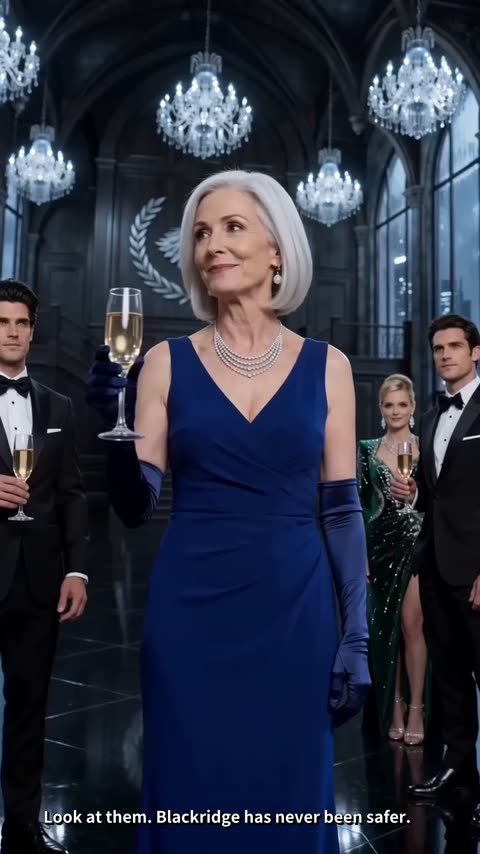
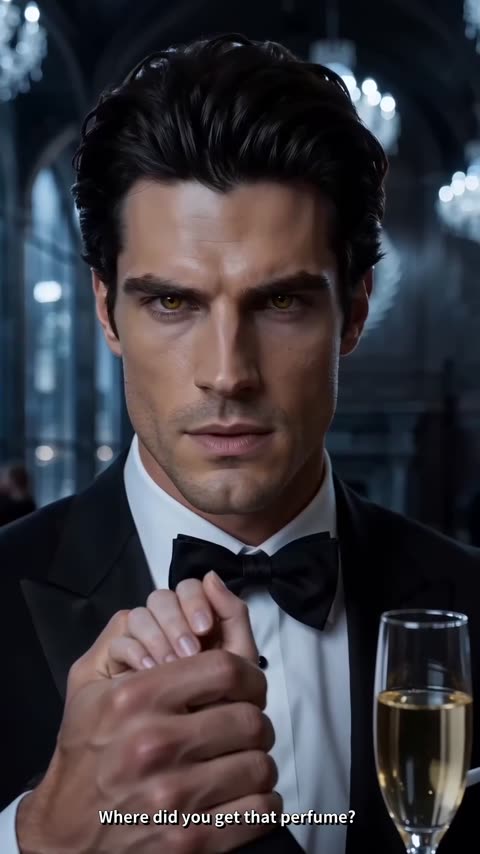
What is different about a vertical script
A feature screenplay is written for a two-hour sit. A vertical drama is watched on a phone, one episode at a time, often with the sound off for the first second and a thumb hovering over the next video. That changes four things about the page.
- The unit is the episode, not the scene. Each episode has to work as a complete beat: a situation, an escalation and a turn. A scene that spans two episodes is a scene that loses half its audience.
- Shots are short and the frame is tall. A 9:16 frame holds one face, or two people close together, or one object. Wide masters with six characters do not read. Write what the frame shows, one shot per paragraph.
- Dialogue is compressed. Twelve words is a long line. Speeches are cut into exchanges. Subtext moves to the eyes and the props.
- Every episode has two mandatory lines: the hook that opens it and the cliffhanger that closes it. Label them. A reader, an editor or a rendering pipeline should be able to find them without reading the whole page.
The template
Use standard screenplay blocks: a slugline, action in present tense, a character name, dialogue. The additions are the labelled HOOK, TURN and CLIFF lines and a one-line summary at the top.
EP 07 — "The Wrong Signature"          Runtime target: 75–90 s
Summary: Elena signs the contract; Adrian recognises the handwriting.
Carries from EP 06: he has the burned key. Pays off in EP 08: whose initials.

HOOK (0–5 s): Close on a pen hovering over a signature line. A drop of ink falls.

INT. BLACKWOOD BOARDROOM — NIGHT
The pen lands. ELENA (30s, composed, a stranger's face) signs with a small hooked E.
ADRIAN (40s) does not look at the page. He looks at her hand.

ADRIAN
You hold the pen like her.

ELENA
Like whom?

He slides the contract back. His thumb rests on the E.

TURN: He has seen that E before — on a card in a coffin.

INT. BLACKWOOD BOARDROOM — CONTINUOUS
Elena stands. Smiles. Picks up her bag with the same hooked motion.

ELENA
Send the countersigned copy to my clinic. Tonight.

She leaves. Adrian turns the page over. On the back, in old ink, the same E.

CLIFF (last 5 s): Adrian, alone: "Evelyn." The door is already closed.
Three rules keep the template honest.
- One idea per shot paragraph. If a paragraph contains "and then", split it. The storyboard will split it anyway, and you want to control where.
- Name the space once, then stay in it. Vertical episodes rarely afford more than two locations. Each new slugline is a new set that has to be built and lit; the episode above uses one.
- The
Carries fromandPays off inlines are not decoration. They are how a fifty-episode season stays continuous when episodes are written weeks apart. See cliffhangers and payoffs.
Dialogue in a tall frame
Because the frame holds one face at a time, dialogue is a series of reaction shots. Write for that. Give the important line to the character we are looking at, then cut to the person it lands on and let them answer with a look before they answer with words. A line longer than one breath is a line the viewer reads off the subtitles instead of the face; cut it in two, or give half of it to a prop.
Subtitles are on for most viewers, so spelling names consistently matters more than in film. Pick one form of each name in the bible and never vary it in dialogue.
What the storyboard needs from the page
If a script will be turned into shots by another person or by a pipeline, the page has to answer four questions per paragraph without interpretation: who is in frame, where they are, what they are doing with their hands, and what the camera is close to. "Adrian is furious" answers none of them. "Adrian sets the glass down too carefully" answers all four. This is also why the era and the location are stated once, precisely, in the bible: a storyboard cannot dress a room it has never been told about. Dawnwood's own pipeline reads scripts in exactly this shape; the script to storyboard page shows what comes out the other side.
Checklist before you call an episode done
- Runtime estimate within the target (count dialogue at roughly 2.5 words per second plus two seconds per action paragraph).
- The
HOOKline shows something, not someone explaining something. - Exactly one
TURN, at or after the 40 percent mark. - The
CLIFFis a question the next episode's first two beats will answer. - No more than two sluglines; no more than four speaking characters.
- Every name spelled as in the bible.
Paste a premise, get the whole season scripted in this format
On Dawnwood the writing is free: type a premise, get a season bible and every episode script, revise them as much as you like. Credits are only spent when you generate art or render video, and every charge is shown before you confirm.
Start a series freeHow a series gets made →